
Games of chance versus games of skill: Understanding the difference
Games of chance versus games of skill: Understanding the difference
Defining Games of Chance
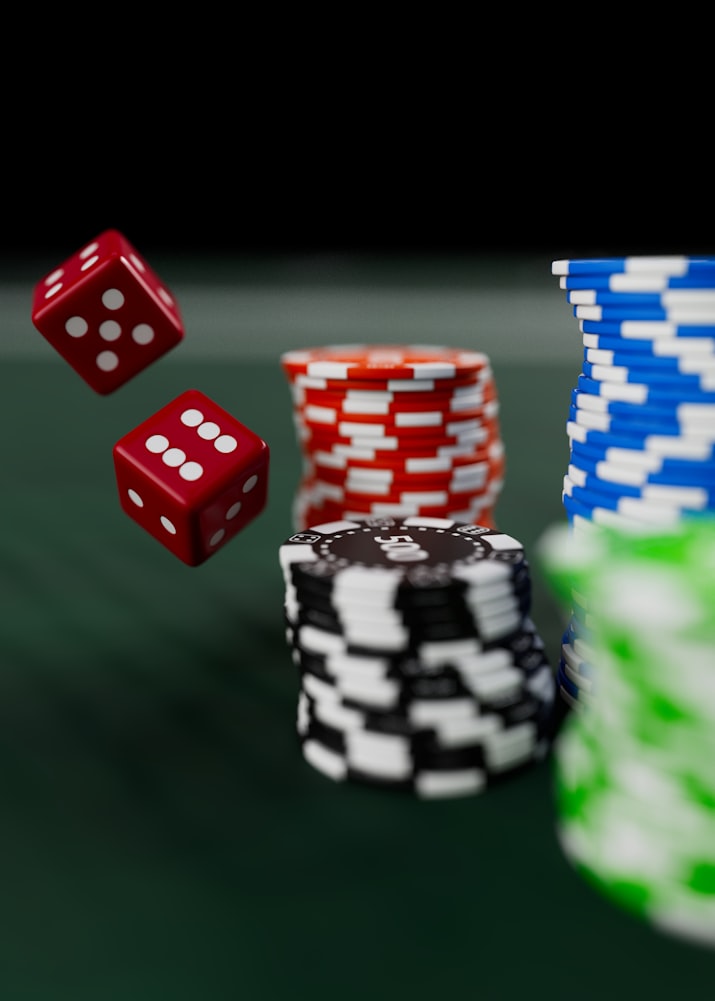
Games of chance are defined primarily by the unpredictability of their outcomes. In these games, luck plays a significant role, overshadowing the player’s decisions and skills. Common examples include lottery games, slot machines, and many casino games. The mechanics of these games are such that players have little to no control over the results, making them primarily reliant on random events.
The allure of games of chance lies in their simplicity and the immediate thrill they offer. Players engage with these games mostly for entertainment and the potential for a big win, often without the requirement of in-depth understanding or strategy. This element of chance attracts a wide audience, allowing anyone with a little luck to participate and potentially win.
Understanding Games of Skill
In contrast, games of skill require a higher degree of expertise and decision-making. Players must rely on their abilities, experience, and sometimes even psychological insight to enhance their chances of success. Card games like poker and sports betting are prime examples where players engage in tactics and strategies to outsmart their competitors or the house.
The Psychological Aspect of Playing
The psychological engagement in games of chance versus games of skill varies significantly. In games of chance, players often experience heightened emotions due to unpredictability. The thrill of waiting for random outcomes can offer an adrenaline rush that keeps players returning for more. Conversely, in skill-based games, players feel motivated by a desire to refine their skills, leading to a more strategic mindset.

Additionally, the social dynamics differ between these game types. Games of chance tend to be more solitary experiences, while skill-based games often include elements of competition and social interaction. Understanding these psychological aspects can enhance the player’s overall experience, making them appreciate both types of games differently.
The Role of Luck and Strategy
Luck and strategy play different roles in these two types of games. In games of chance, luck is the predominant factor; there’s little that a player can do to influence the outcome. The randomness is built into the very structure of these games, making it difficult for players to employ strategy successfully.
Conversely, games of skill are driven by strategy and the players’ choices. In these games, players evaluate their options, consider potential risks, and make calculated decisions to enhance their probability of winning. The ability to adapt and adjust strategies is crucial, often leading to deeper engagement and satisfying gameplay.
Your Source for Gaming Insights
For enthusiasts interested in both games of chance and games of skill, understanding the differences is essential. Delving into various gaming platforms can provide valuable insights into player experiences, potential strategies, and emerging trends. You can explore exciting options, including those that cater to fast and efficient gameplay.
One excellent resource for this exploration is a fast withdrawal casino, where you can engage with a variety of games. By understanding the differences between games of chance and skill, players can make informed choices tailored to their preferences and expectations, ultimately enriching their gaming experience.