
Exploring the psychology behind casino gambling Why we play
The Thrill of Uncertainty
One of the most compelling aspects of casino gambling is the excitement that comes from uncertainty. Players are drawn to the unpredictability of outcomes, which can release adrenaline and create a sense of euphoria, akin to a roller coaster ride. The anticipation of winning, even if only a small payout, can be exhilarating and provide a temporary escape from everyday life. In this context, opting for best casinos not on gamstop can enhance the thrill, as players seek that rush from the unknown.
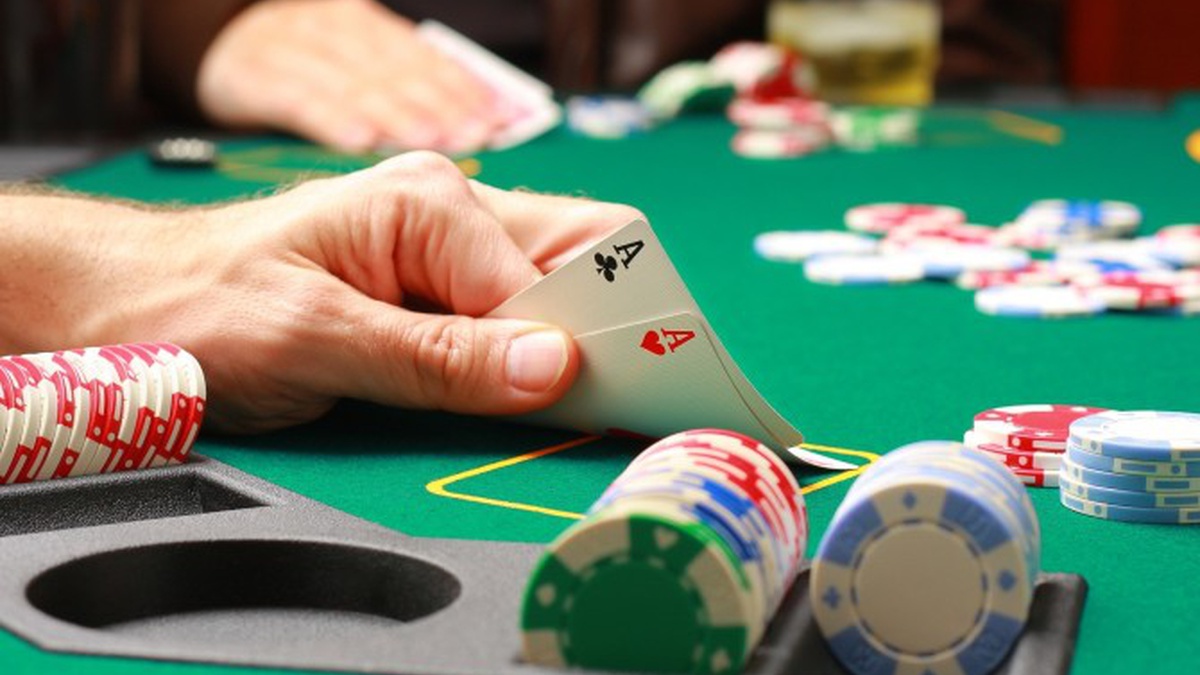
This excitement is deeply rooted in our psychology. The brain releases dopamine when faced with uncertainty and potential rewards, making the experience both pleasurable and addictive. This is why many find themselves drawn to casinos; the prospect of hitting the jackpot creates a powerful pull that can be hard to resist.
The Allure of Escapism
Casino environments are designed as immersive spaces that encourage a sense of escapism. Bright lights, enticing sounds, and engaging games transport players to a world where their everyday worries can temporarily fade away. This escape from reality can be appealing, particularly for individuals facing stress, anxiety, or dissatisfaction in their daily lives. Casinos offer a refuge where one can indulge in fantasy and excitement.
This desire for escape can lead to problematic gambling behaviors. While many players participate in moderation, some may find themselves increasingly reliant on gambling as a means to cope with life’s pressures. Understanding the psychological motives behind these actions is crucial for fostering healthier adult gaming habits.
The Role of Social Interaction
Casino gambling is not just about individual wins; it often involves social dynamics that enhance the overall experience. Many people enjoy the camaraderie of playing alongside others, whether it’s sharing tips, cheering for each other’s wins, or simply engaging in light-hearted banter. This social interaction can create a sense of community and belonging, making the gambling experience more enjoyable and fulfilling.
Moreover, the social aspect can lead to peer influence where groups of friends may encourage each other’s gambling behaviors. This camaraderie can either reinforce responsible gambling by promoting safe play practices or, conversely, fuel irresponsible betting habits. Understanding these social dynamics is key to navigating the complex relationship between gambling and community.
The Impact of Marketing and Environment
Casinos invest heavily in marketing strategies designed to entice players. From loyalty programs to alluring promotions, these initiatives capitalize on human psychology by enhancing perceived value and urgency. The environment of a casino—often elaborately designed to stimulate the senses and keep players engaged—plays a significant role in attracting and retaining customers.
The placement of games, the décor, and even the scent in the casino can influence players’ decisions and prolong their stay. By creating a seamless experience filled with excitement and potential reward, casinos exploit psychological triggers that encourage prolonged gambling sessions, contributing to both enjoyment and financial risk.

Conclusion: Navigating Casino Gambling Responsibly
As we explore the psychology behind casino gambling, it becomes evident that understanding why we play is essential in fostering responsible gaming practices. Knowledge of the thrill of uncertainty, the desire for escapism, the role of social interactions, and the impact of the casino environment can empower players to make informed choices. Recognizing the potential for addiction is crucial, as is promoting a healthy relationship with gambling.
Ultimately, while casinos can offer enjoyable experiences and a chance for excitement, being mindful of our motivations and the psychological triggers at play is vital. This awareness helps ensure that gambling remains a form of entertainment rather than a source of distress or financial trouble.