
Understanding the Psychological Effects of Gambling Insights from Pinco
Understanding the Psychological Effects of Gambling Insights from Pinco
The Allure of Gambling
Gambling has long captivated individuals across various cultures, becoming a significant aspect of social interaction and entertainment. The psychological allure lies in the thrill of uncertainty and the potential for significant rewards. People often find themselves drawn to the excitement that comes from placing bets, whether in a casino or through other means. This thrill can lead to an intoxicating rush, making gambling not only a pastime but a deeply embedded cultural phenomenon. Interestingly, what do NFL and Pinco Casino strategies have in common is their reliance on calculated risks and strategic planning to maximize outcomes. Furthermore, one can alwaysplay Pinco in a way that mirrors the precautions taken in football.
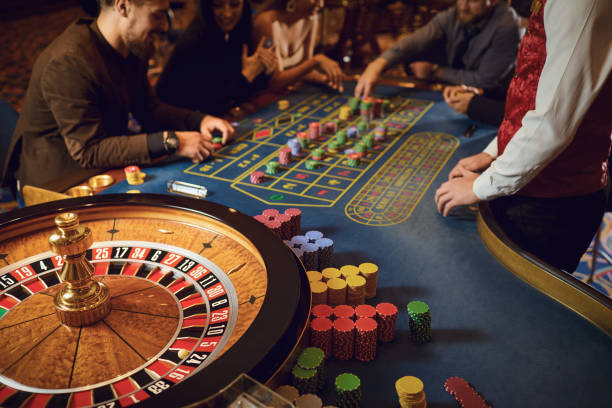
The cultural significance of gambling is reflected in its representation in media, literature, and social practices. It’s often associated with luck, fate, and the human condition, and many view it as a test of skill and strategy. The psychological effects can range from mere enjoyment to more serious issues such as addiction, making it crucial to understand the underlying motivations behind gambling behavior.
The Psychological Impact of Winning and Losing
Winning in gambling can elicit powerful emotional responses, creating a sense of euphoria and validation. This rush often reinforces the behavior, leading individuals to return to gambling in search of that high. Conversely, losing can have detrimental effects on mental health, leading to feelings of despair and frustration. The cycle of wins and losses can create a volatile emotional landscape that affects not just the gambler but their relationships and social life.
Understanding this psychological impact is essential for both gamblers and those around them. Awareness of how winning and losing influence mental health can help in developing coping strategies and support systems. Recognizing patterns in behavior can also prevent gambling-related issues from escalating and can aid in fostering a healthier relationship with gambling.
Cultural Perspectives on Gambling
Different cultures have varying attitudes towards gambling, which can significantly influence the psychological effects experienced by individuals. In some societies, gambling is seen as a normal activity, woven into the fabric of communal events and celebrations. In others, it may be stigmatized or viewed as a vice, impacting how individuals engage with gambling. These cultural perspectives can shape an individual’s approach to risk, reward, and the overall experience of gambling.
These cultural differences highlight the importance of context when discussing the psychological effects of gambling. For instance, in cultures where gambling is widely accepted, individuals may experience a more positive relationship with it, while in restrictive cultures, the guilt or shame associated with gambling can exacerbate negative feelings. Understanding these cultural nuances is crucial for a holistic view of gambling psychology.
The Role of Casinos in Psychological Well-Being
Casinos serve not only as venues for gambling but as spaces for social interaction and entertainment. They often create an immersive experience designed to engage the senses, making it easy for visitors to lose track of time and money. This environment can impact a person’s psychological well-being, fostering a sense of community but also leading to potential pitfalls.
The design of casinos, from lighting to sound, is tailored to enhance the gambling experience, which can lead to compulsive behaviors. Recognizing these influences is essential for gamblers to maintain control over their actions and make informed decisions. By understanding how the casino environment affects them psychologically, individuals can better navigate their gambling experiences.
Exploring Pinco’s Insights on Gambling Psychology
Pinco offers valuable insights into the psychological effects of gambling, providing a deeper understanding of how these dynamics play out in real-world scenarios. By examining various strategies employed in gambling, including those used in professional sports, Pinco sheds light on the similarities between gambling and risk management in sports. This comparison reveals how psychological strategies can be adapted across different fields, offering lessons for both gamblers and athletes alike.
The exploration of psychological aspects in gambling not only enhances our understanding of behavior but also opens avenues for discussions about responsible gaming. Pinco’s commitment to sharing knowledge helps foster a more informed public, encouraging individuals to approach gambling with a balanced perspective.